Many readers first meet Temu Hanfu accessories through a photograph, a product name, or an occasion they need to dress for. A useful guide looks past that first impression and connects visible construction, material, fit, movement, and context so the final choice still makes sense away from the campaign image.
Know who is actually selling
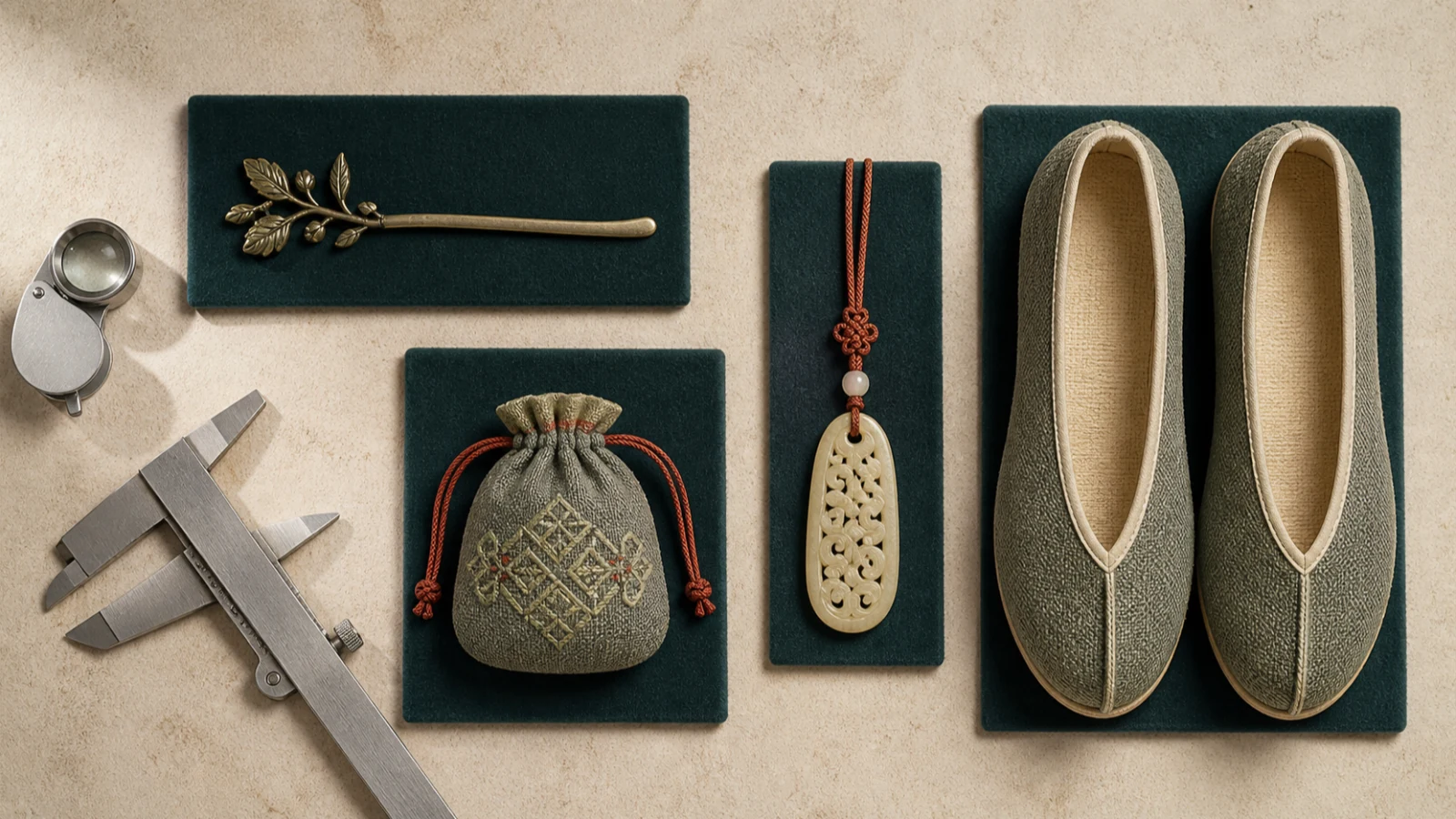
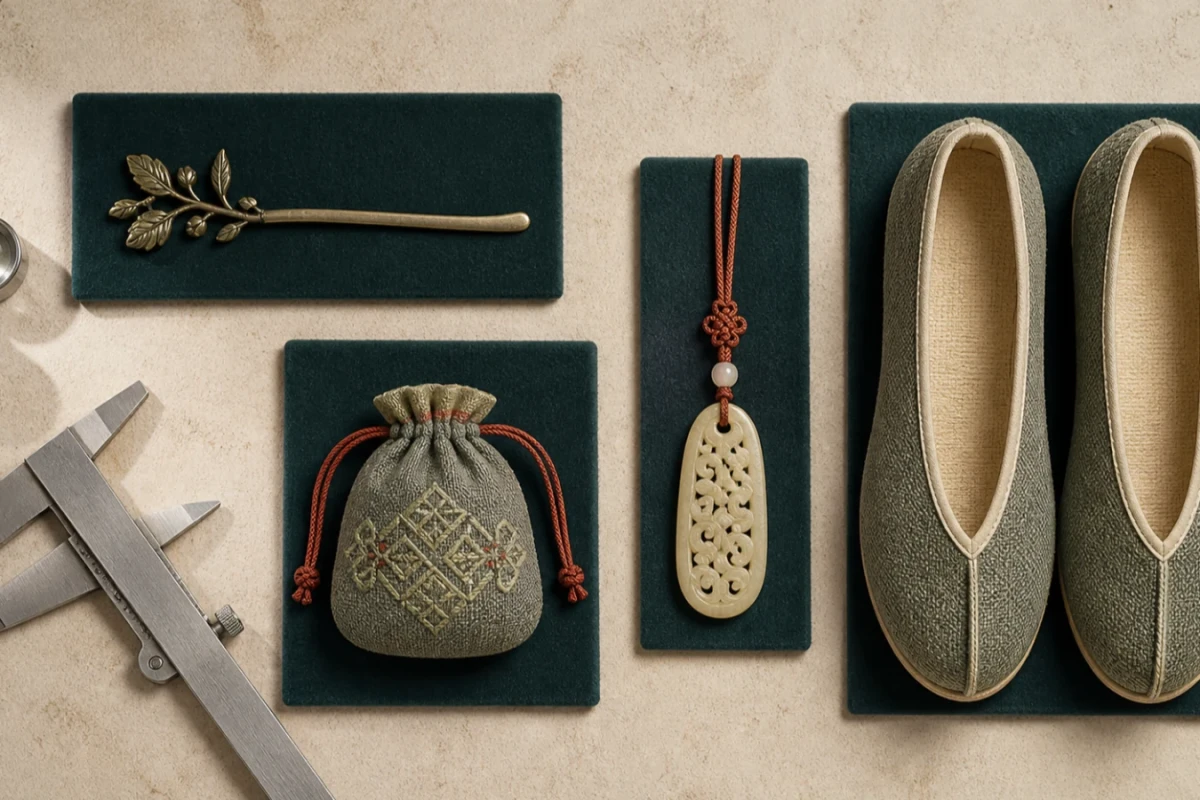
Hairpins, waist pendants, jinbu ornaments and footwear belong to different load and use systems; matching color alone does not make them a coherent set. A marketplace name tells you where the transaction happens, but not who made the garment or who will answer if the order is wrong. Start with the seller, fulfiller, destination, and exact colour-size bundle shown at checkout; those details can change even when the product photographs look identical.
Before choosing Temu Hanfu accessories, define the real occasion, the hours of wear, the expected movement, the climate, and the points that cannot be compromised. The exact listing, selected variation, destination, delivery date, and usable return route all belong to the decision. Starting from those needs prevents an attractive photograph or a familiar label from making the decision on the reader’s behalf.
Read the exact garment, not the search card
Check material, total length, per-piece weight, stitching or solder points, fastening method, skin-contact edges and the actual quantity shown. Open the detail page rather than relying on a search thumbnail. Useful photographs show the full front and back, neckline, closure, waist, lower garment, and the reverse of important decoration. Reviews help only when they clearly refer to the same variant and include enough context to identify what arrived.
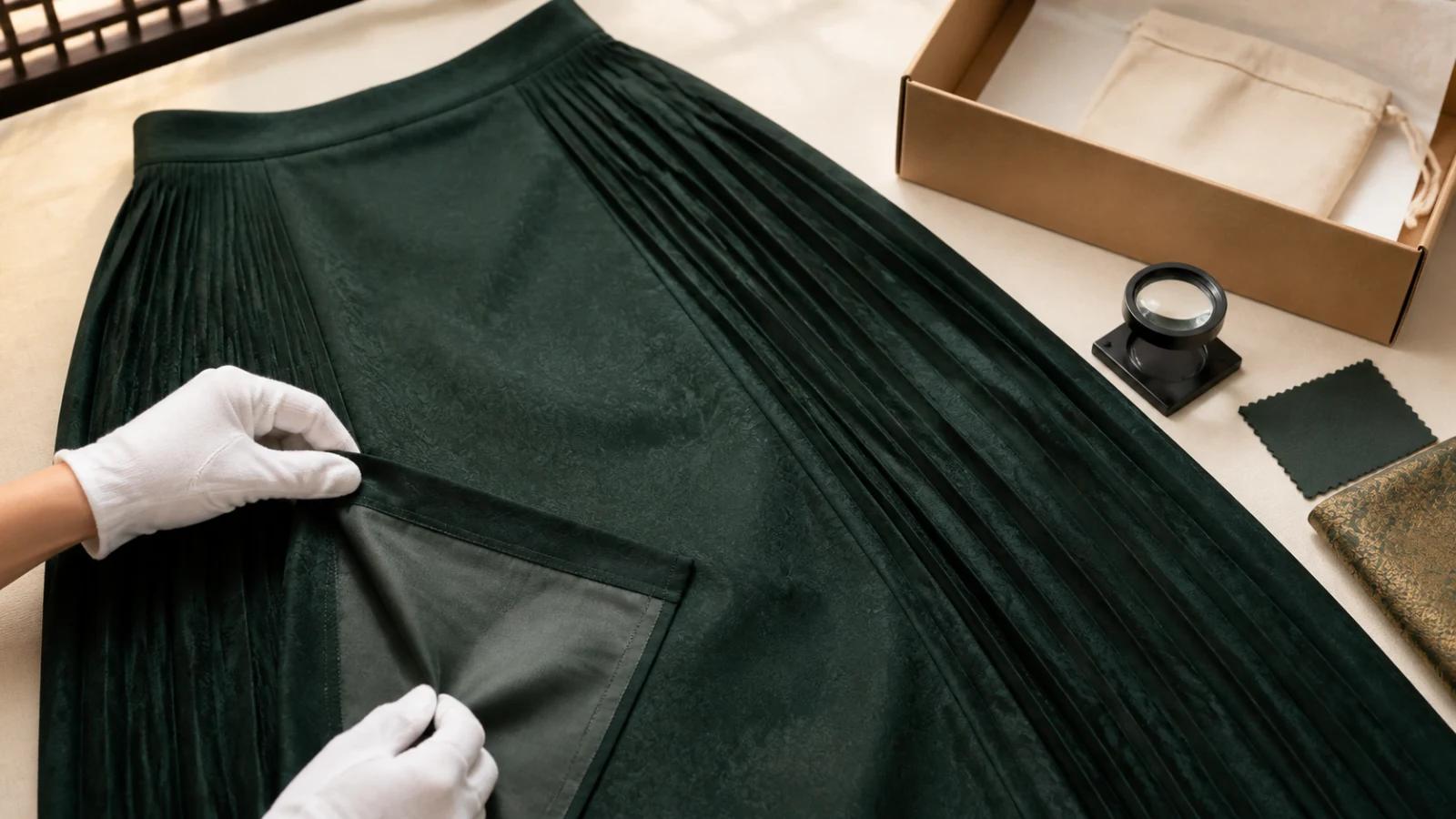
Read a page about Temu Hanfu accessories from the whole garment toward the details: front, side, back, opening, inner layers, fastening, measurements, and included pieces. A close-up may be excellent for embroidery yet useless for judging proportion. When views disagree, the complete structure deserves more weight than the most dramatic image.
| Listing checkpoint | What the page should show | Stop rule |
|---|---|---|
| Seller and fulfiller | Legal/store identity and destination shown for Temu Hanfu accessories | Identity or destination terms change between listing and checkout |
| Exact SKU and variant | Timestamped structure images, specification fields, and this requirement: Check material, total length, per-piece weight, stitching or solder points, fastening method, skin-contact edges and the actual quantity shown. | Reviews or measurements belong to another colour, size, or bundle |
| Delivery and return | Landed cost, dispatch promise, carrier handoff, return address, and deadline | No workable return route before the risk occurs: Heavy headwear, snagging tassels, sharp pendant edges and shoes without outsole information can turn a good still image into a wearing hazard. |
Fit, fabric, and set contents
Size letters are not comparable across shops. Finished-garment measurements, fibre percentages, lining, included pieces, and room for underlayers matter far more than a model height alone. Compare them with a garment that already fits and rehearse the movement required by the intended occasion. Temu Hanfu accessories must also work away from the camera. Try the planned underlayers and shoes, then sit, walk, climb a step, raise both arms, and repeat the longest action required by the occasion. A small imbalance at the waist, collar, cuff, or hem often becomes obvious only after several minutes of movement.

Delivery and return risk
The cheapest listing can become the most expensive when tax, delayed dispatch, missing pieces, return postage, or an overseas return address is added. Work backward from the event date and the final usable return day, leaving time for a full try-on rather than trusting an optimistic arrival estimate. When a key fact is absent, treat that absence as a practical risk: it may affect fit, classification, care, delivery, or return. One limitation deserves particular attention here: Heavy headwear, snagging tassels, sharp pendant edges and shoes without outsole information can turn a good still image into a wearing hazard. Ask for a measurement, material line, construction photograph, date, or policy instead of relying on a confident adjective.
Compare the real total
Edit by hairstyle anchor points, garment neckline and activity level; when uncertain, choose one focal ornament and add only low-profile supporting pieces. A fair comparison uses the same garment form, number of pieces, material disclosure, measurement detail, delivery destination, and return route. If one listing omits a decisive field, treat that omission as a cost and risk instead of filling the gap with the seller’s rating.
The value of Temu Hanfu accessories becomes clearer after imagining the second and fifth wear, not only the arrival-day photograph. Consider cleaning, storage, simple repair, compatibility with existing layers, and whether the piece can serve more than one appropriate setting. Repeated comfortable use is a stronger measure of value than decorative density alone.
A sensible order decision
Order only when the exact variant meets the occasion, fit, material, timing, and return requirements at the same time. Save the final page and seller answer for your own reference, then repeat the time-sensitive checks on the day of payment because stock and fulfilment terms can move quickly. Only dated, SKU-level records can support a platform conclusion about Temu Hanfu accessories; museum or heritage sources cannot verify a seller, stock state, delivery promise, or return policy.
A sound decision about Temu Hanfu accessories should remain easy to explain: what the garment or offer actually is, why it suits the intended use, which limitations still matter, and what must be checked again at purchase or before dressing. If that explanation depends on guessing a hidden structure or policy, the uncertainty is still part of the choice.