
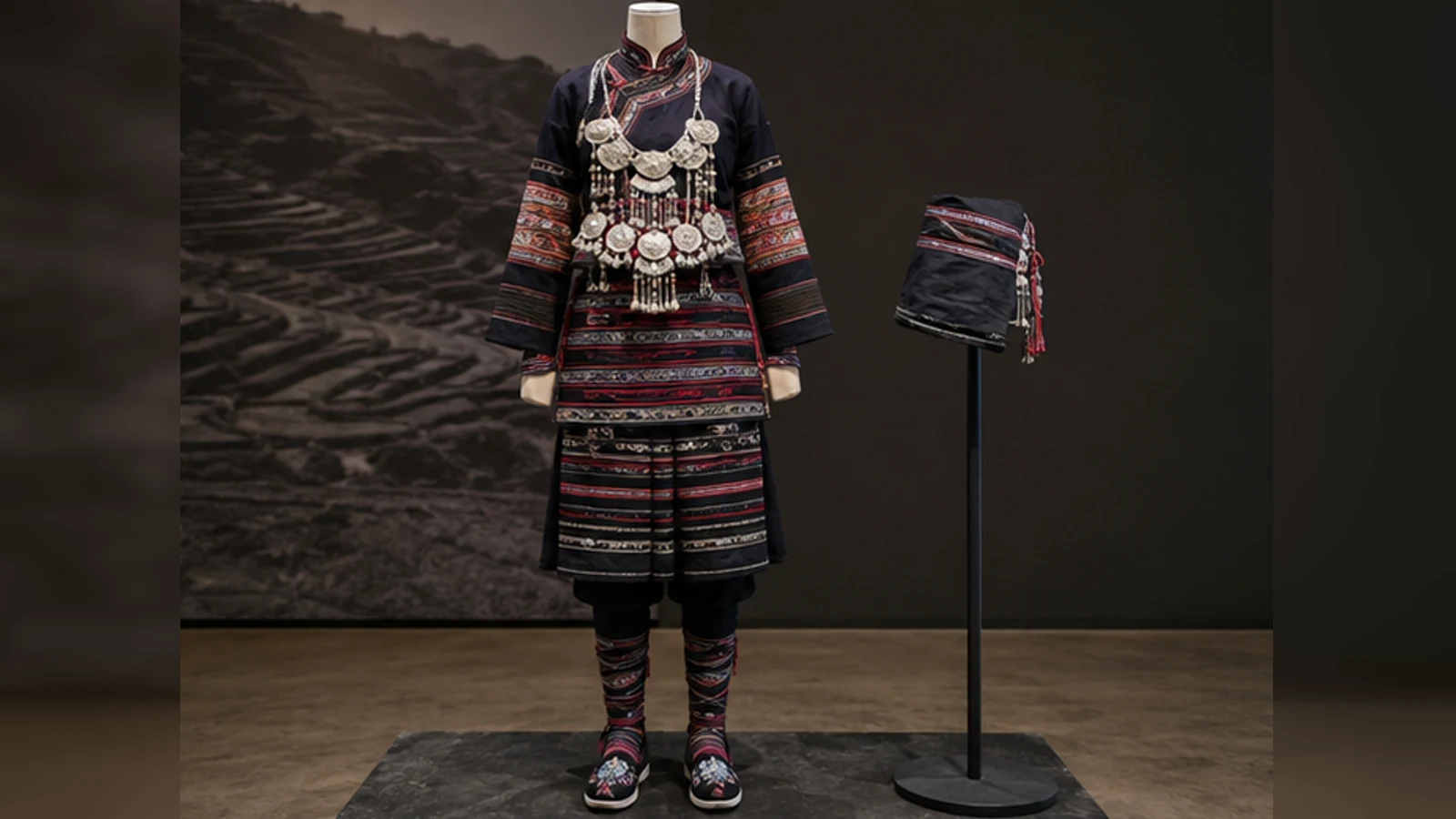
Hani Dress Overview: Silhouette, Fabric, Boundaries introduces Hani dress through the communities and places in which it is actually worn: Hani communities in Honghe and nearby areas with local variation across terrace regions. The central clothing system is Short jackets, long skirts, silver studs. Looking at construction, material, movement, and occasion together gives a much clearer picture than treating one colour, headdress, or festival photograph as a complete definition.
1. Reading the outfit as a whole
Hani dress cannot be reduced to a single emblematic outfit. Within Hani communities in Honghe and nearby areas with local variation across terrace regions, the useful starting point is the documented relationship described as Short jackets, long skirts, silver studs. Read the whole dressed body before isolating a collar, skirt, robe, headdress, or decorative border; otherwise a striking detail can easily be mistaken for the clothing system itself.
For Hani, this structural view begins with a simple discipline: identify every visible piece and the point where it meets the next. An upper-and-lower ensemble depends on the relation between top, skirt or trousers, waist fastening, overlap, and the layer visible beneath. Only after that relationship is clear should colour, age, or regional resemblance influence the description.
2. Upper garment, lower garment, and waist
Construction explains why the pieces stay in place. For Hani clothing associated with Honghe, Yunnan, look for opening direction, overlap, ties, waist support, underlayers, and the order in which pieces meet. These relationships are more dependable than colour when distinguishing a complete outfit from a stage adaptation or a modern item that borrows only its surface style.
The dressing sequence also helps a buyer or museum visitor spot missing components. In the case of Short jackets, long skirts, silver studs, a cropped photograph may hide the lower layer, back fastening, or support at the waist. Multiple views and a specific local name are therefore more useful than a dramatic front portrait. For Hani dress, a stable sequence is always more useful than last-minute ornament.
3. Proportion during sitting and walking
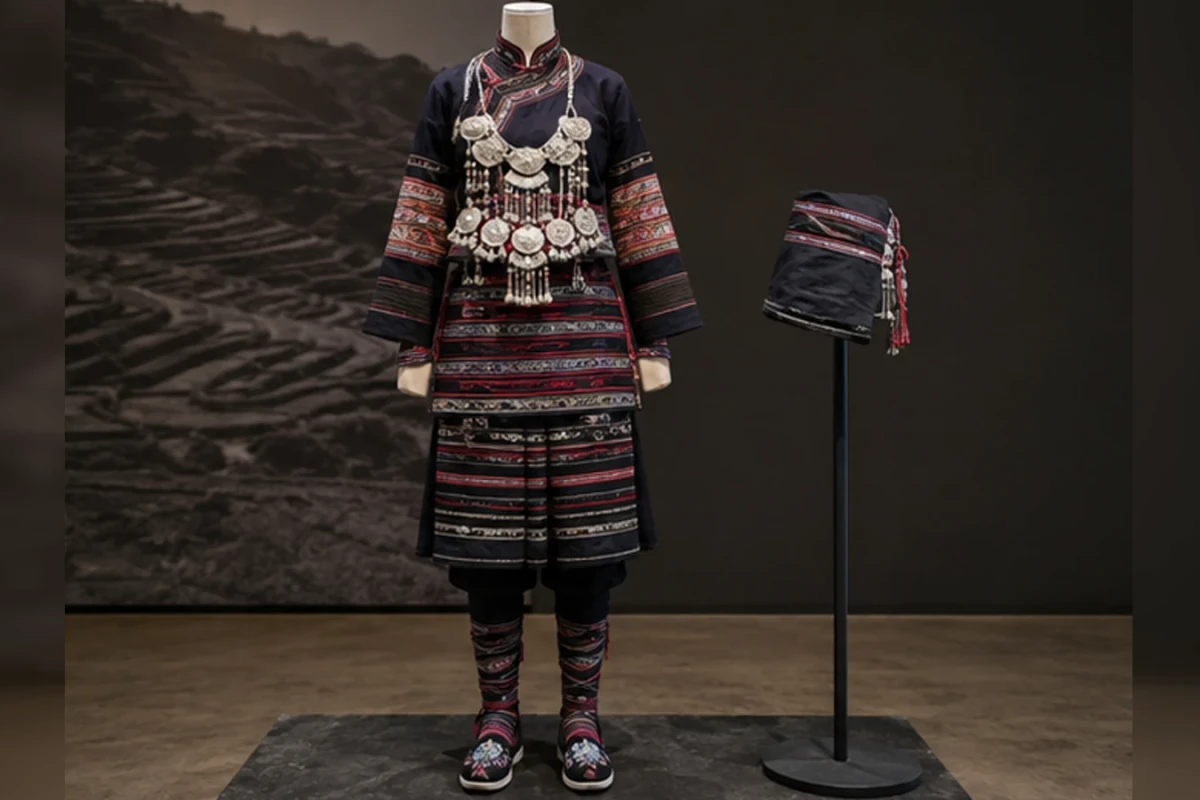
A garment should make sense on a moving person, not only on a mannequin. When considering Short jackets, long skirts, silver studs, imagine the wearer sitting, walking, climbing steps, reaching, and remaining dressed for the length of Long-table feast and October Year. Proportion, coverage, load, and fastening should continue to work through those movements without forcing the wearer to hold the outfit in place. Movement is therefore part of understanding Hani clothing, not an afterthought.
Waist position, hem length, sleeve room, and the balance of separate pieces should be judged while sitting, walking, and raising the arms. This is especially relevant to Hani because the documented use includes Long-table feast and October Year. A modern version can adjust ease or length for daily life, but those changes should be described instead of being concealed under a timeless traditional label.
4. Textiles and surface decoration
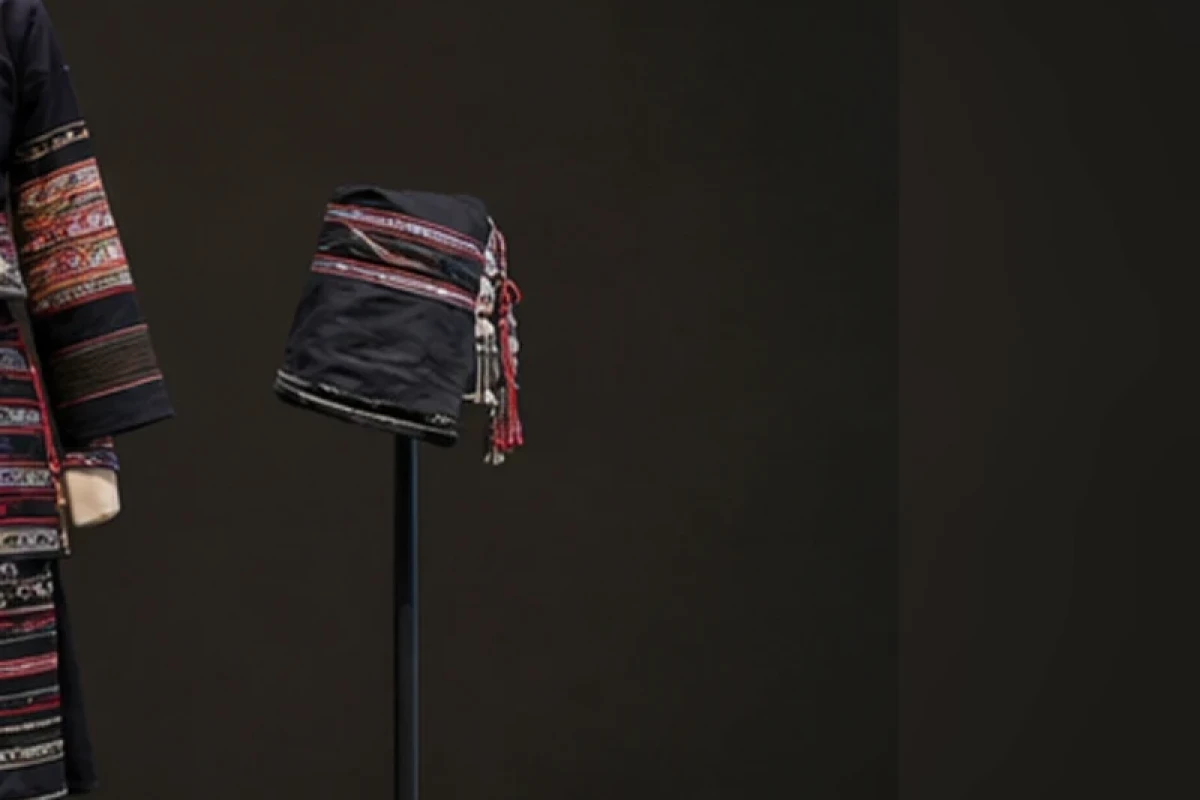
The material vocabulary associated here with Hani is Indigo cloth and embroidery. Fibre is only the first layer of that description: weave, thickness, lining, dye, embroidery, applied pieces, metal, beads, and repair all change how the garment hangs and ages. A careful reader therefore asks which material belongs to which piece instead of applying one luxurious label to the entire look.
Because top and lower garment may use different cloth, fibre, weave, lining, and ornament should be considered piece by piece. For the materials named in this profile—Indigo cloth and embroidery—look at joins, reverse sides, abrasion points, and later repairs. These details often reveal skilled decisions that a distant photograph or a generic product description leaves invisible. Material-specific care is essential to the long life of Hani dress.
5. Motifs in their proper setting
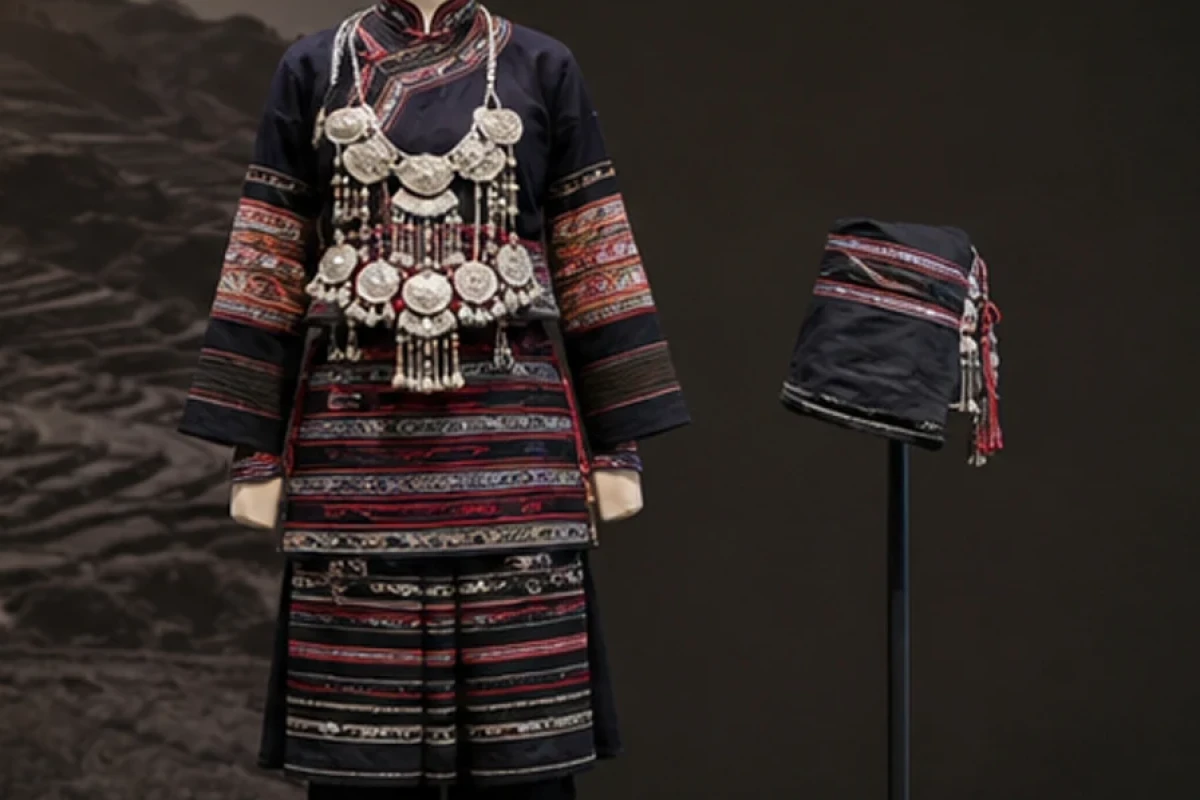
The motif range noted for this subject is Terrace geometry and florals. Pattern placement, scale, technique, and the maker’s own explanation matter as much as the motif name. A flower, geometric border, or animal form may be decorative, local, personal, commercial, or ceremonial; appearance alone does not reveal a fixed message, rank, marital status, or belief. This restraint lets the workmanship of Hani dress remain visible.
With Terrace geometry and florals, the safest and most interesting questions are concrete: where is it placed, how was it made, who named it, and whether the explanation comes from a maker, collection, or local publication. That approach gives Hani ornament depth without turning every repeated shape into a universal symbol.
6. Everyday and formal variation
Long-table feast and October Year is a useful guide to use, but it is not a uniform. In Honghe, Yunnan, everyday clothing, festive clothing, performance costume, revival work, and contemporary fashion may coexist. Age, locality, weather, household, occupation, and personal preference can all produce valid differences within Hani communities in Honghe and nearby areas with local variation across terrace regions.
Changing one layer can alter formality, season, and local character without turning the outfit into a different community’s dress. In Honghe, Yunnan, comparisons should therefore stay close in place, date, wearer, and occasion. Two different outfits may both be appropriate, while two visually similar outfits may belong to very different contexts. Local voices remain central to any account of Hani clothing.
7. Choosing an informed modern version
For a museum visit, purchase, display, or styling project, use the most specific local garment name available and check whether the piece is community-made, commissioned, reconstructed, adapted, or made as costume. An indigo jacket, silver studs, or headdress alone cannot establish local branch, date, marital status, or festival role. This boundary protects the living community while also giving the reader a more accurate basis for comparison and care. That final distinction supports informed and repeatable wear of Hani dress.
A responsible contemporary choice keeps Hani communities in Honghe and nearby areas with local variation across terrace regions visible in the description, credits a known maker where possible, and avoids relabelling the dress as Hanfu or a generic ethnic costume. Good attribution does not make the clothing less wearable; it gives the wearer a better story to tell.
At a glance
- Hani community and local context: Hani communities in Honghe and nearby areas with local variation across terrace regions
- Hani geographic scope: Honghe, Yunnan
- Hani main clothing structure: Short jackets, long skirts, silver studs
- Materials and techniques commonly discussed for Hani: Indigo cloth and embroidery
- Commonly documented occasions for Hani: Long-table feast and October Year
