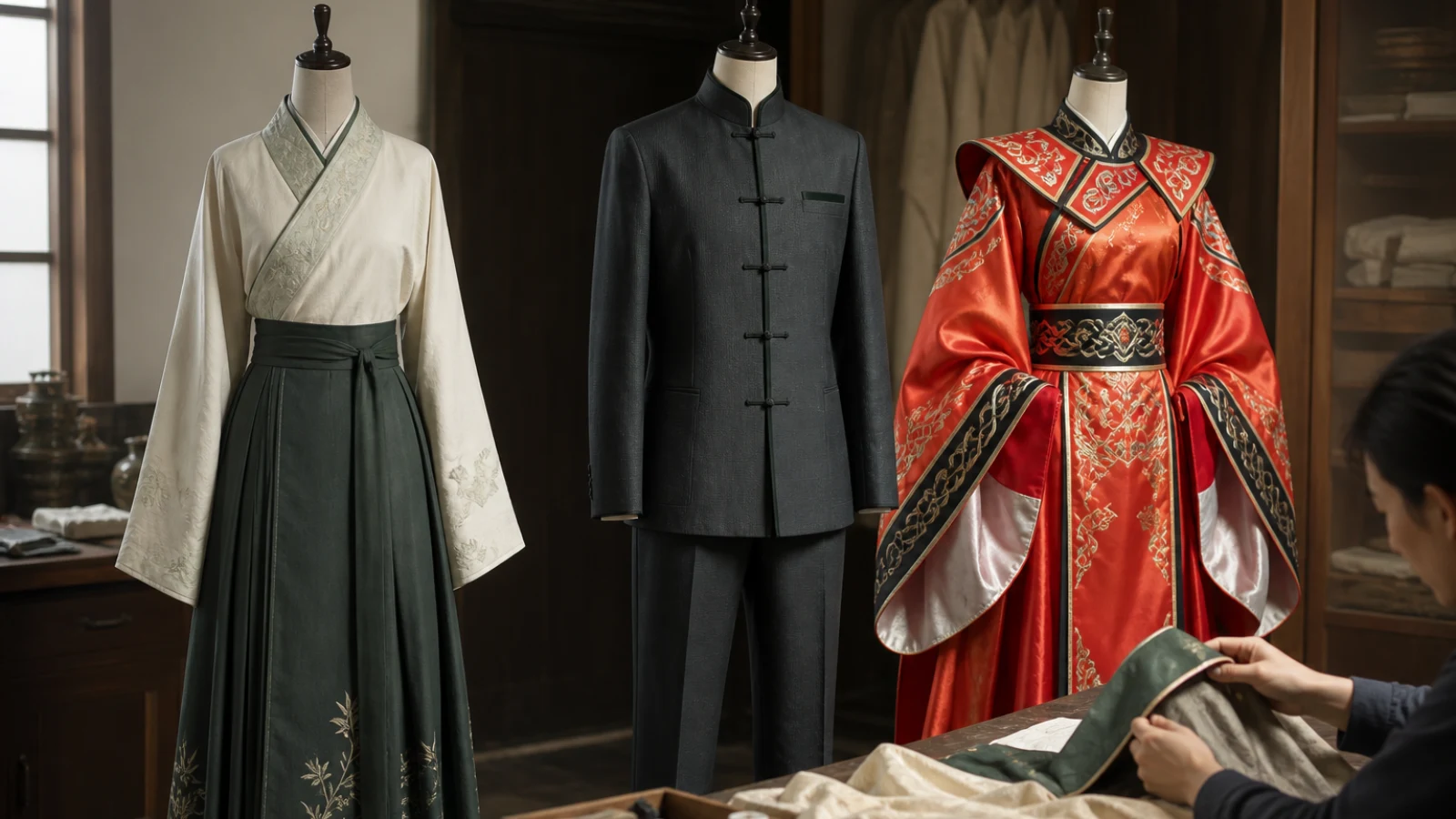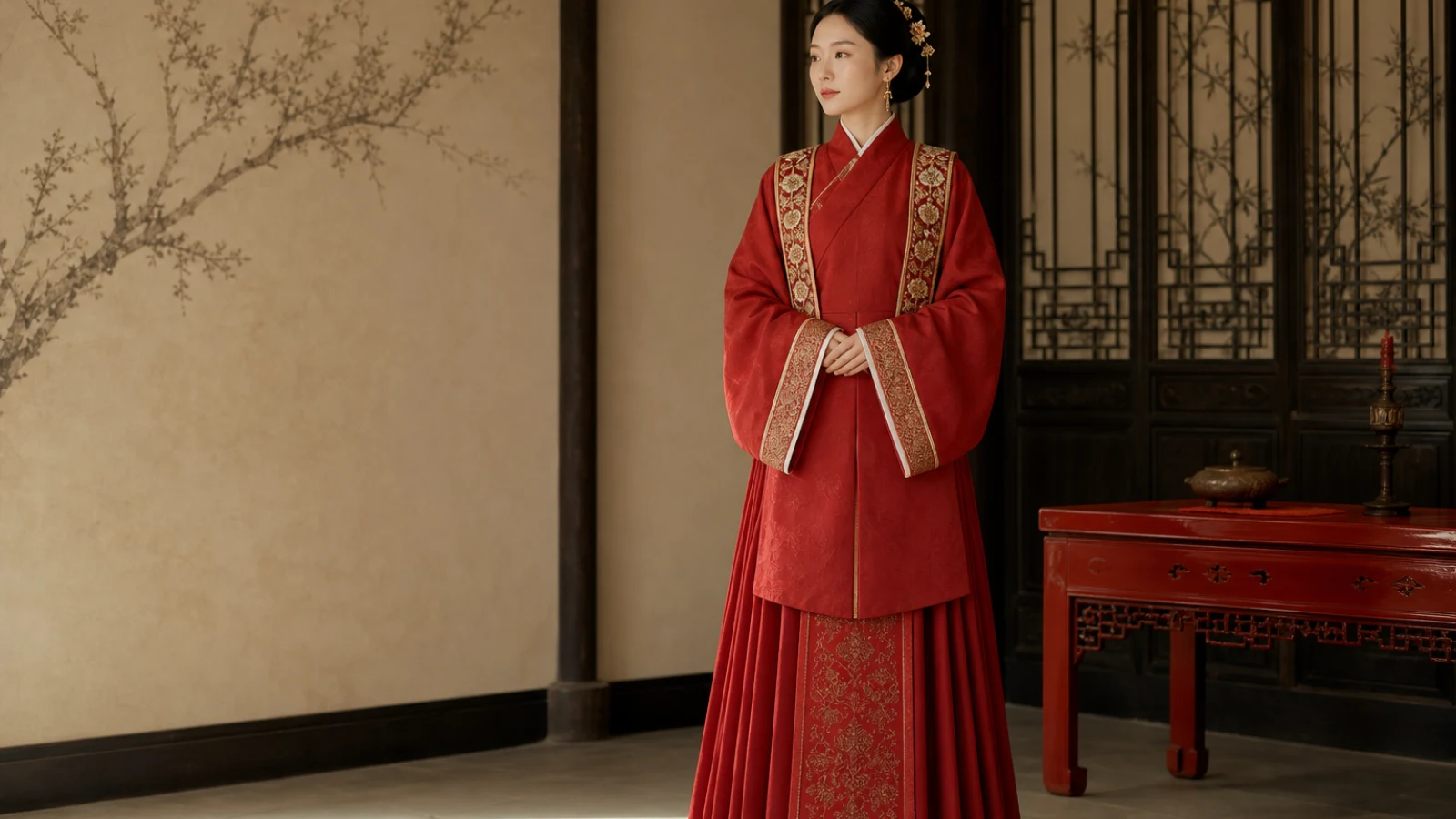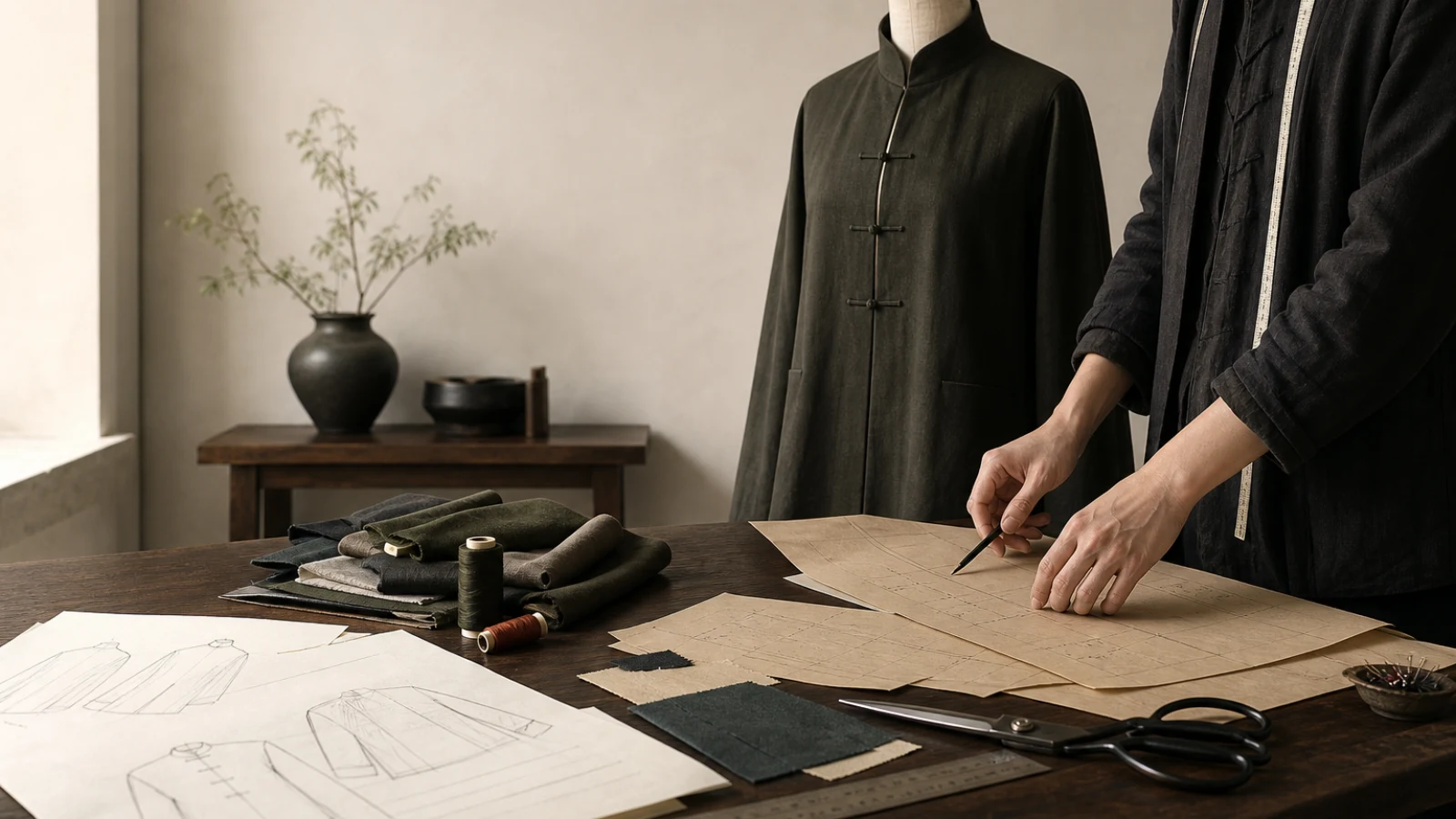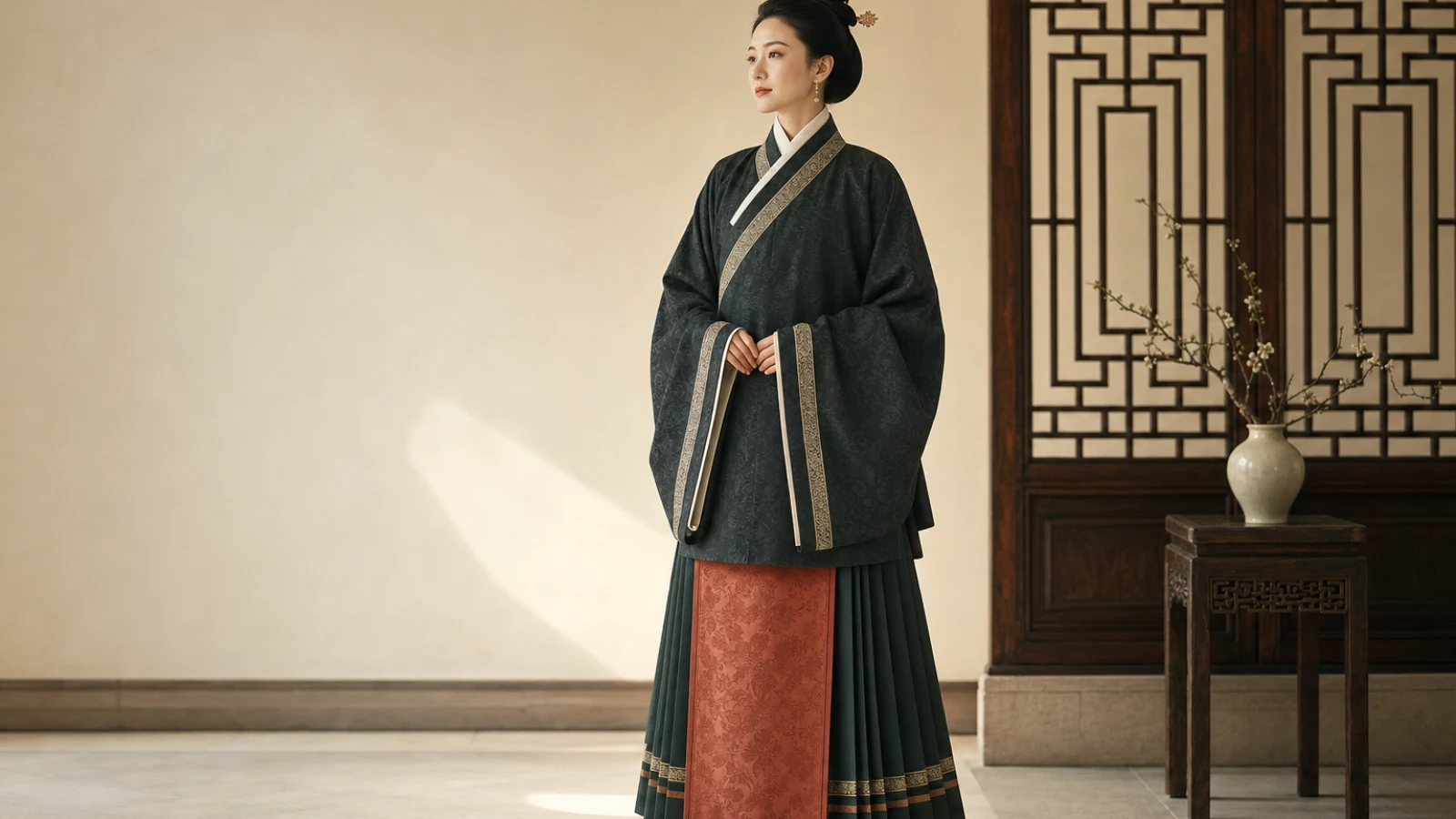
Many readers first meet Doresuwe formalwear, costume and Hanfu listings through a photograph, a product name, or an occasion they need to dress for. A useful guide looks past that first impression and connects visible construction, material, fit, movement, and context so the final choice still makes sense away from the campaign image.
Fifty-six starting points, not fixed uniforms
Formalwear, stage costume and Hanfu can share visual language while differing in construction, durability and occasion requirements. China’s officially recognized ethnic categories are useful navigation points, but none represents a single timeless wardrobe. County, branch, age, gender, livelihood, faith, season, family history, and contemporary change can all shape what people wear and how a garment is named.
Before choosing Doresuwe formalwear, costume and Hanfu listings, define the real occasion, the hours of wear, the expected movement, the climate, and the points that cannot be compromised. Community, locality, generation, occasion, and contemporary change matter more than a single representative image. Starting from those needs prevents an attractive photograph or a familiar label from making the decision on the reader’s behalf.
See complete clothing systems
Confirm listing category, closure, lining, skirt layers, included pieces and finished measurements rather than classifying from the words costume or Hanfu alone. Begin with the full relationship among upper and lower pieces, robe or wrap, trousers, outer layer, fastening, belt, footwear, and headwear. A striking colour or ornament may be important, but it cannot identify a community or explain the complete wearing system on its own.
Read a page about Doresuwe formalwear, costume and Hanfu listings from the whole garment toward the details: front, side, back, opening, inner layers, fastening, measurements, and included pieces. A close-up may be excellent for embroidery yet useless for judging proportion. When views disagree, the complete structure deserves more weight than the most dramatic image.
| Community record | Dress-system clue | What a photograph can show |
|---|---|---|
| Name and locality | Community self-name where available, region, date, source, and local variation | An administrative label is treated as one uniform wardrobe |
| Garment and material | Pieces, fastening, wearing order, fibre/technique, maker, and documented use | Colour, motif, or accessory alone is used to identify a group |
| Image and permission | Creator, licence/consent, crop note, visible facts, and separately attributed interpretation | An illustration is cited as field evidence or dress is relabelled Hanfu |

Material and technique are different questions
Fibre, weave, dye, embroidery, appliqué, beadwork, metal, fur, and repair are separate material questions. Naming the technique matters because similar-looking surfaces can be made in different ways, while one community may use several materials across regions and occasions. Doresuwe formalwear, costume and Hanfu listings must also work away from the camera. Try the planned underlayers and shoes, then sit, walk, climb a step, raise both arms, and repeat the longest action required by the occasion. A small imbalance at the waist, collar, cuff, or hem often becomes obvious only after several minutes of movement.

Dress changes with place and occasion
Daily work, market visits, weddings, festivals, religious participation, performance, and tourism can produce very different levels of formality. A modern adaptation or revival garment belongs to the living story too; it should not be dismissed simply because it differs from an older photograph. When a key fact is absent, treat that absence as a practical risk: it may affect fit, classification, care, delivery, or return. One limitation deserves particular attention here: Stage-lit photography can exaggerate shine and hide thin fabric, while formalwear sizing logic may not accommodate layered Hanfu dressing. Ask for a measurement, material line, construction photograph, date, or policy instead of relying on a confident adjective.
What a photograph cannot tell you
For performance, test movement and lighting; for ritual use, verify form and fiber, allowing alteration and delivery time in both cases. A photograph may show silhouette, colour, visible fastening, and some surface detail. It usually cannot prove subgroup identity, ritual rank, marital status, exact fibre, handmade production, or the meaning of every motif. Those claims need a captioned local, maker, museum, or community source.
The value of Doresuwe formalwear, costume and Hanfu listings becomes clearer after imagining the second and fifth wear, not only the arrival-day photograph. Consider cleaning, storage, simple repair, compatibility with existing layers, and whether the piece can serve more than one appropriate setting. Repeated comfortable use is a stronger measure of value than decorative density alone.
Continue with local sources
Use the hub to choose a community and region, then continue with dated local material rather than treating an overview as the final word. Ethnic dress should not be relabelled as Hanfu merely because it appears in China, and an editorial illustration should never be mistaken for field documentation. National overview sources are orientation only; local and object-level claims in Doresuwe formalwear, costume and Hanfu listings require a dated community, museum, maker, or field record, and none grants image rights automatically.
A sound decision about Doresuwe formalwear, costume and Hanfu listings should remain easy to explain: what the garment or offer actually is, why it suits the intended use, which limitations still matter, and what must be checked again at purchase or before dressing. If that explanation depends on guessing a hidden structure or policy, the uncertainty is still part of the choice.