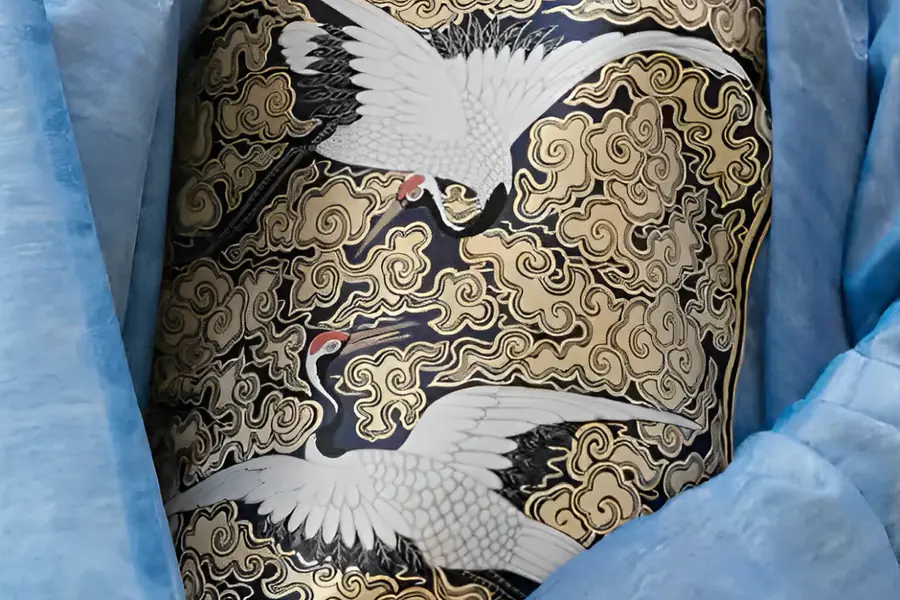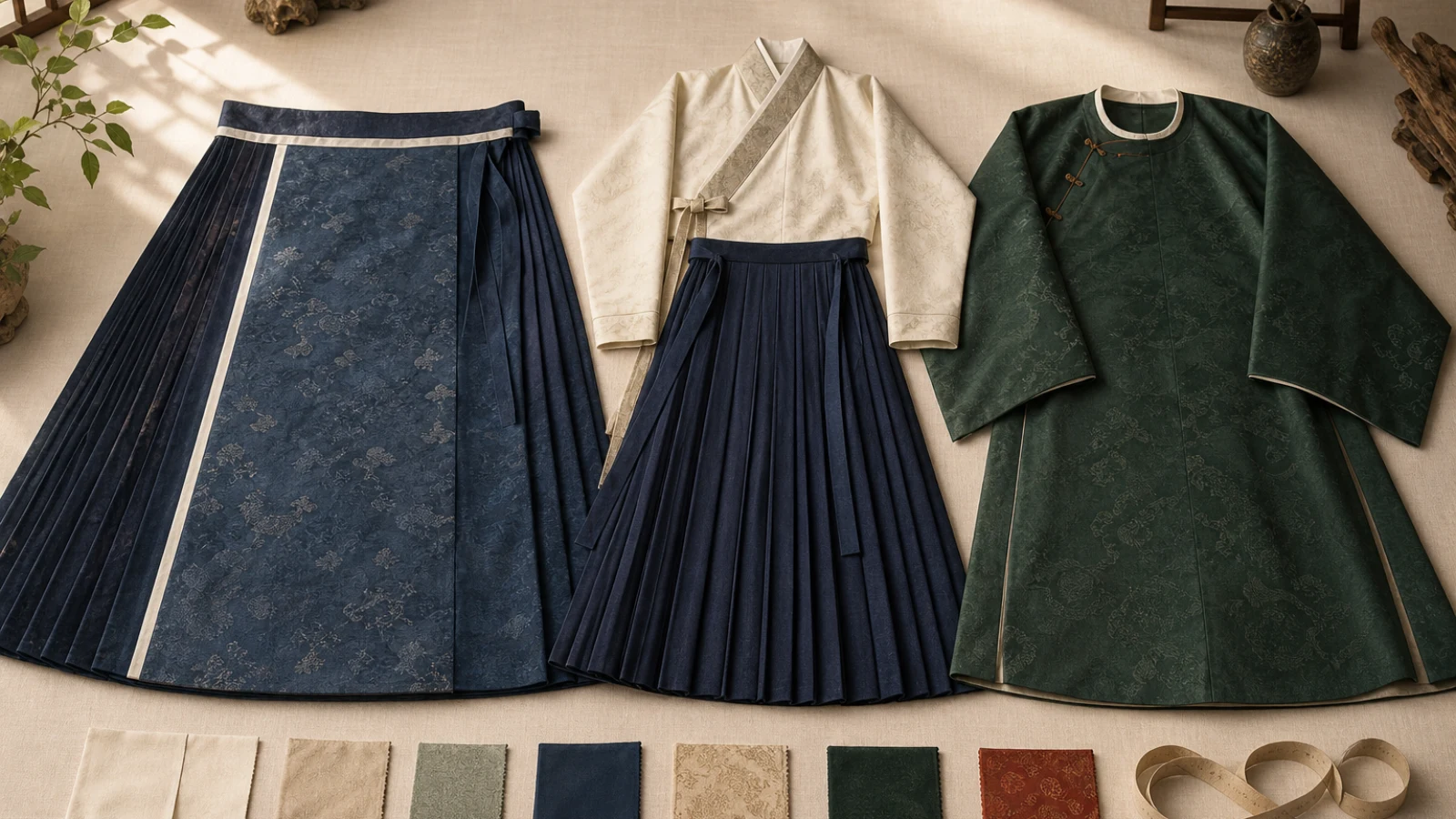
Many readers first meet the Hanfu buying-guide hub through a photograph, a product name, or an occasion they need to dress for. A useful guide looks past that first impression and connects visible construction, material, fit, movement, and context so the final choice still makes sense away from the campaign image.
Define what the garment must do
A buying hub should connect form, occasion, sizing, material, channel and after-sales into a decision path rather than accumulate store links. Before browsing, decide the occasion, deadline, climate, activity, budget ceiling, required garment form, and any fibre or care limits. These are the non-negotiables. Without them, attractive photographs and temporary discounts can make almost any listing look suitable.
Before choosing the Hanfu buying-guide hub, define the real occasion, the hours of wear, the expected movement, the climate, and the points that cannot be compromised. Fit, contents, material disclosure, timing, total cost, and after-sales terms must all suit the same planned use. Starting from those needs prevents an attractive photograph or a familiar label from making the decision on the reader’s behalf.
Read the exact product evidence
Each branch should state the input question, minimum evidence, stop condition and next deep-dive, including when no conclusion is justified. A usable product page identifies the exact colour-size variant, included pieces, finished measurements, fibre content, lining, closure, and full garment views. If reviews cover another bundle or the photographs change when a variant is selected, treat the information as a lead rather than proof for your choice.
Read a page about the Hanfu buying-guide hub from the whole garment toward the details: front, side, back, opening, inner layers, fastening, measurements, and included pieces. A close-up may be excellent for embroidery yet useless for judging proportion. When views disagree, the complete structure deserves more weight than the most dramatic image.
| Decision gate | Comparable evidence | Walk-away rule |
|---|---|---|
| Use and non-negotiables | Occasion, movement, deadline, fibre limits, and required garment form | The listing cannot meet a non-negotiable need |
| Exact item comparison | Same set contents, construction, measurements, fibre, shipping, tax, and return cost | Price is compared across unlike bundles or missing specifications |
| Arrival test | Flat measurements, contents, defects, movement, colour transfer, and documented seller answer | Tags must be removed before fit or condition can be checked |
Compare like with like
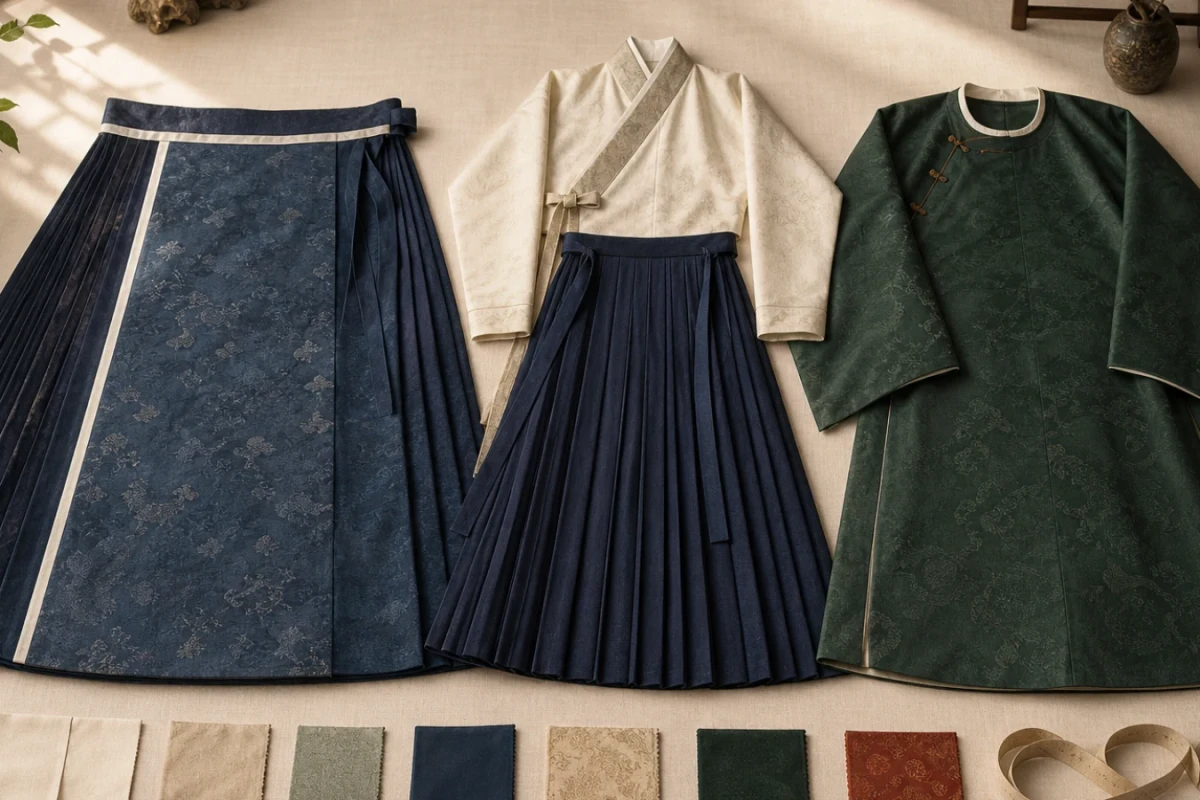
Compare the same number of pieces, construction level, material disclosure, delivery destination, and return route. A cheaper set that omits an underlayer, uses a different skirt, or cannot be returned is not the same offer. Total value includes the cost of correcting what the listing leaves out. the Hanfu buying-guide hub must also work away from the camera. Try the planned underlayers and shoes, then sit, walk, climb a step, raise both arms, and repeat the longest action required by the occasion. A small imbalance at the waist, collar, cuff, or hem often becomes obvious only after several minutes of movement.
Fit and construction before price
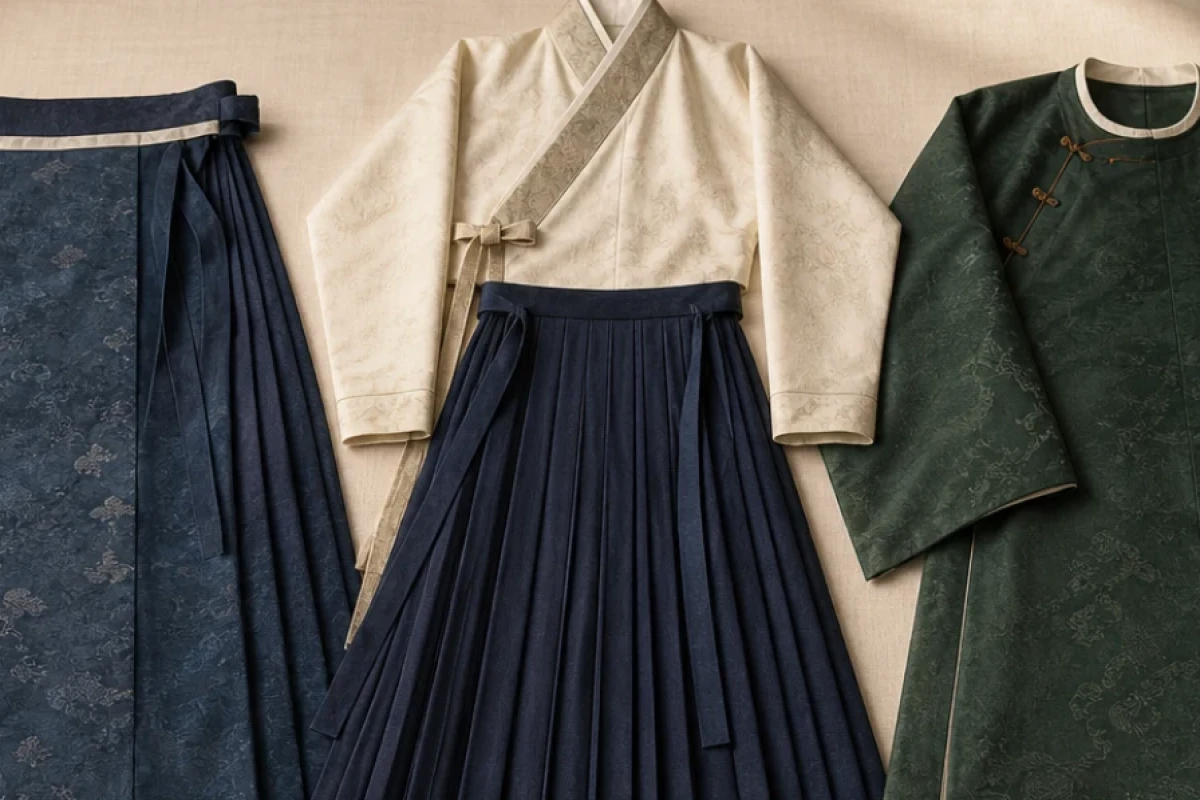
Place the measurements beside a garment that already fits and test whether the planned underlayers have room. Look for tension at ties, waist, armhole, and seat, as well as enough hem clearance for the intended shoe. These checks prevent a nominally correct size from failing in movement. When a key fact is absent, treat that absence as a practical risk: it may affect fit, classification, care, delivery, or return. One limitation deserves particular attention here: Routing only by budget or popularity ignores form mismatch, movement and cross-border returns, turning more information into more mis-purchases. Ask for a measurement, material line, construction photograph, date, or policy instead of relying on a confident adjective.
Ask the seller useful questions
Complete use case and body measurements before selecting form and channel, and re-check changing information on the day of purchase. Ask questions that can be answered with a number, photograph, material line, or policy: the finished measurement, reverse of embroidery, closure, included pieces, dispatch date, and return address. A vague reassurance is not equal to a specific answer tied to the selected variant.
The value of the Hanfu buying-guide hub becomes clearer after imagining the second and fifth wear, not only the arrival-day photograph. Consider cleaning, storage, simple repair, compatibility with existing layers, and whether the piece can serve more than one appropriate setting. Repeated comfortable use is a stronger measure of value than decorative density alone.
Know when to walk away
Walk away when a non-negotiable remains unknown, the deadline leaves no fitting buffer, the return route is unusable, or the seller’s answer conflicts with the page. Missing a discount is cheaper than owning a garment that cannot serve the event for which it was bought. The recommendation for the Hanfu buying-guide hub is valid only for the dated SKU, seller, destination, measurements, and conditions actually checked.
A sound decision about the Hanfu buying-guide hub should remain easy to explain: what the garment or offer actually is, why it suits the intended use, which limitations still matter, and what must be checked again at purchase or before dressing. If that explanation depends on guessing a hidden structure or policy, the uncertainty is still part of the choice.