Many readers first meet Amayun factory-direct value through a photograph, a product name, or an occasion they need to dress for. A useful guide looks past that first impression and connects visible construction, material, fit, movement, and context so the final choice still makes sense away from the campaign image.
Separate the story from the garment
Factory-direct describes channel length; it does not automatically prove the lowest price, best quality or a particular craft origin. A founder story, workshop portrait, or heritage statement can explain a brand’s intention, but it does not describe every product automatically. Buyers need to know which legal or trading entity stands behind the order and which facts apply to the exact SKU on the page.
Before choosing Amayun factory-direct value, define the real occasion, the hours of wear, the expected movement, the climate, and the points that cannot be compromised. Brand narrative, product specification, manufacturing responsibility, quality control, and after-sales service are separate promises. Starting from those needs prevents an attractive photograph or a familiar label from making the decision on the reader’s behalf.
Connect claims to a specific product
A value claim should disclose specification, batch, inspection points, after-sales responsibility and price inclusions, distinguishing owned production, partner production and sourcing. Material, craft, origin, and quality claims become useful when they connect to a batch, specification, process photograph, maker, or inspection point. A beautiful general video may show genuine work while still saying nothing about the colour or size currently being sold.
Read a page about Amayun factory-direct value from the whole garment toward the details: front, side, back, opening, inner layers, fastening, measurements, and included pieces. A close-up may be excellent for embroidery yet useless for judging proportion. When views disagree, the complete structure deserves more weight than the most dramatic image.
| Public claim | What can support it | Reason for caution |
|---|---|---|
| Company or factory identity | Current legal entity, address, responsibility, and dated relationship to the product | A workshop photograph or founder story is the only link |
| Material or craft claim | Batch/SKU specification, supplier or process record, inspection point, and exception handling | The claim cannot be tied to this item or batch |
| Price or direct-channel claim | Comparable specification, included services, landed cost, and after-sales owner | “Factory direct” is used as automatic proof of value or quality |

Understand who performs each step
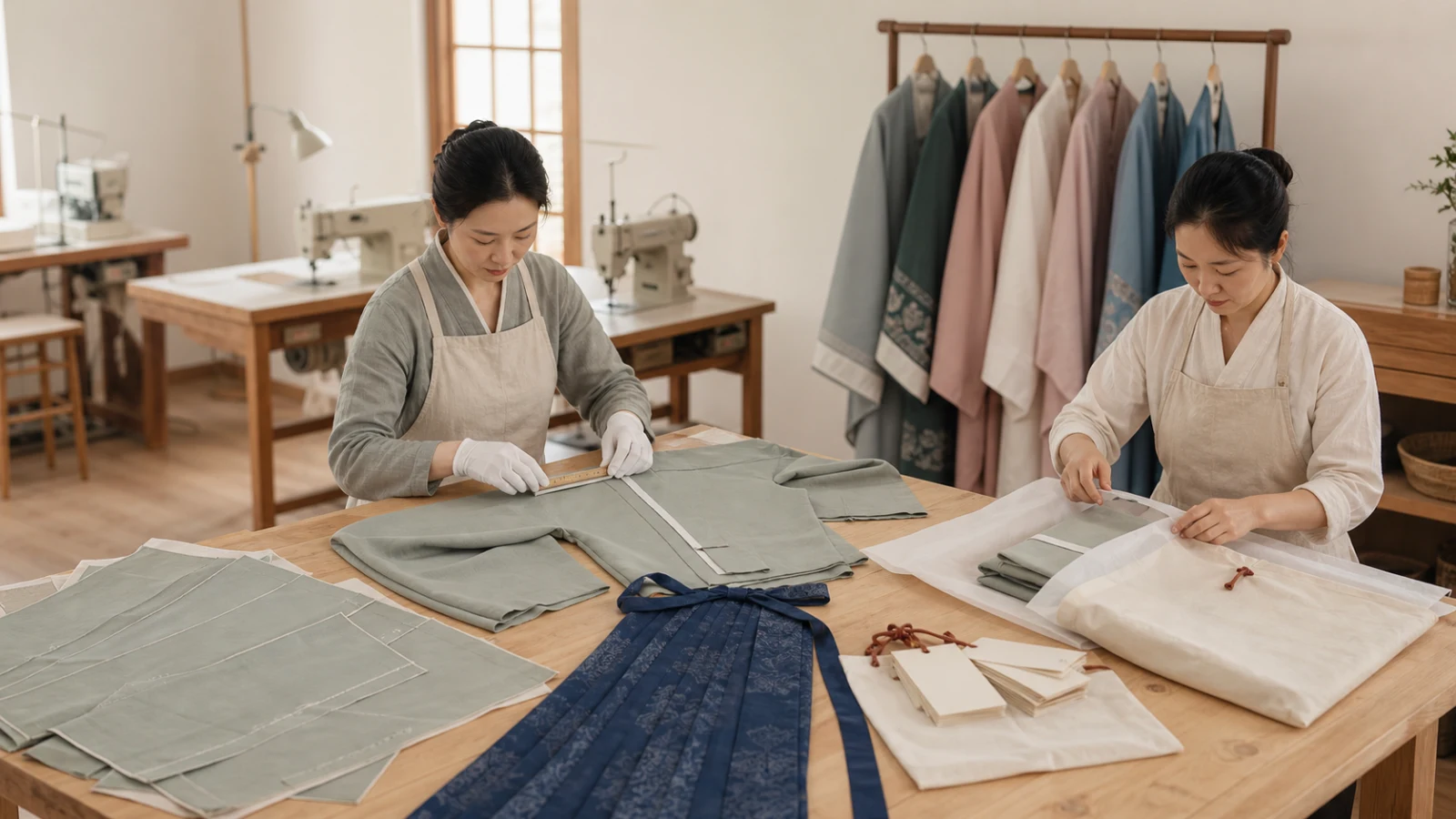
Design, pattern making, fibre sourcing, weaving, cutting, sewing, embroidery, finishing, inspection, packing, and dispatch may happen at different sites. A transparent brand names those relationships without turning a partner factory into an owned factory or a single workshop into proof for the whole catalogue. Amayun factory-direct value must also work away from the camera. Try the planned underlayers and shoes, then sit, walk, climb a step, raise both arms, and repeat the longest action required by the occasion. A small imbalance at the waist, collar, cuff, or hem often becomes obvious only after several minutes of movement.
Material, measurement, and quality control
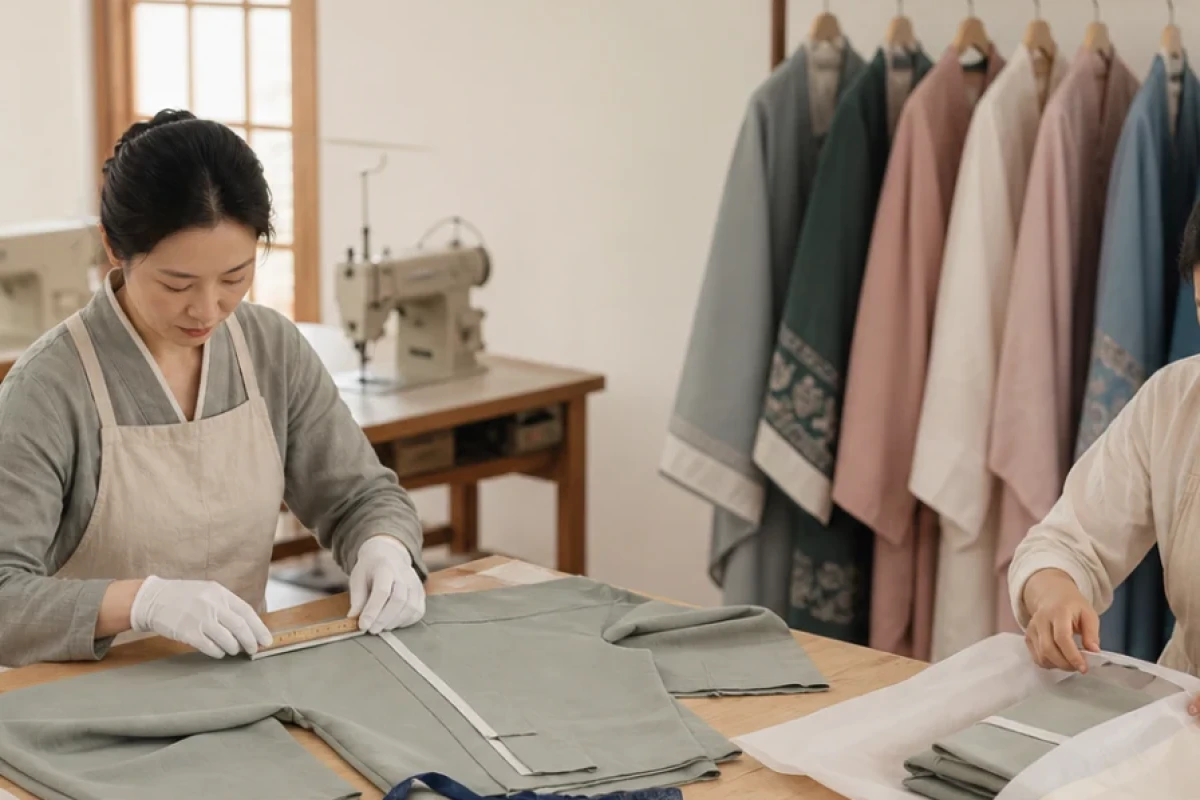
Finished measurements, tolerances, fibre percentages, lining, seam treatment, inspection criteria, and defect handling reveal more than words such as premium. Consistency is especially important for pleats, paired motifs, tie placement, and sets whose separate pieces must align in wear. When a key fact is absent, treat that absence as a practical risk: it may affect fit, classification, care, delivery, or return. One limitation deserves particular attention here: A “cutting out the middleman” slogan without fulfillment and inspection evidence turns a channel story into an unsupported quality claim. Ask for a measurement, material line, construction photograph, date, or policy instead of relying on a confident adjective.
What factory-direct can and cannot mean
Compare landed cost and workable after-sales for the same specification rather than list price alone, dating every direct-channel claim and naming the responsible entity. Factory-direct can describe a shorter sales route, but it does not guarantee the lowest price, historical accuracy, or superior workmanship. Compare the actual specification, service, alteration support, return responsibility, and landed cost rather than treating the phrase itself as a quality grade.
The value of Amayun factory-direct value becomes clearer after imagining the second and fifth wear, not only the arrival-day photograph. Consider cleaning, storage, simple repair, compatibility with existing layers, and whether the piece can serve more than one appropriate setting. Repeated comfortable use is a stronger measure of value than decorative density alone.
Judge the offer on disclosed facts
The strongest offer is the one whose product facts, maker relationships, and after-sales owner remain clear when examined separately. Where a claim is still only the company’s own statement, read it as context—not as independent certification—and decide whether the remaining uncertainty matters to the purchase. Company materials are primary evidence for what the company said about Amayun factory-direct value, not independent proof that the claim is true; museum sources cannot validate a factory.
A sound decision about Amayun factory-direct value should remain easy to explain: what the garment or offer actually is, why it suits the intended use, which limitations still matter, and what must be checked again at purchase or before dressing. If that explanation depends on guessing a hidden structure or policy, the uncertainty is still part of the choice.